THE KRASOCHORI NEIGHBORHOOD
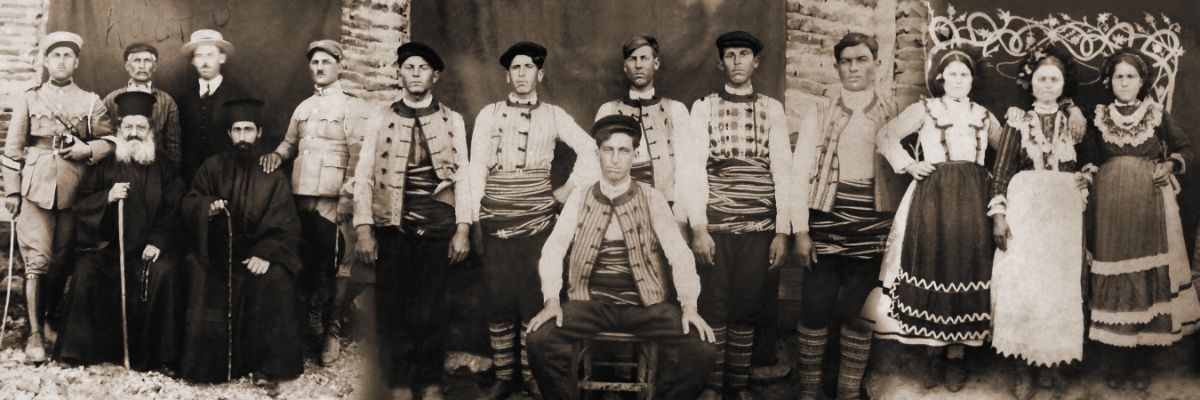
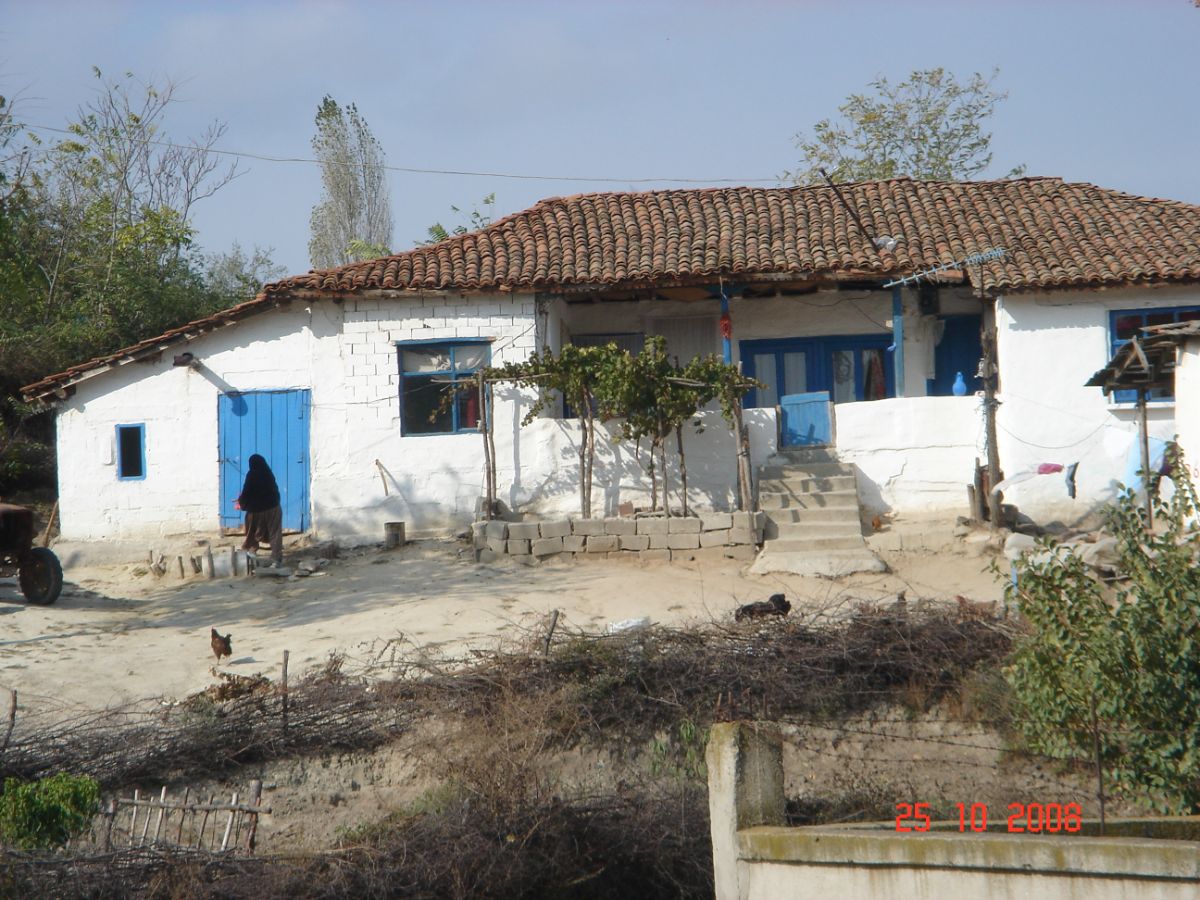
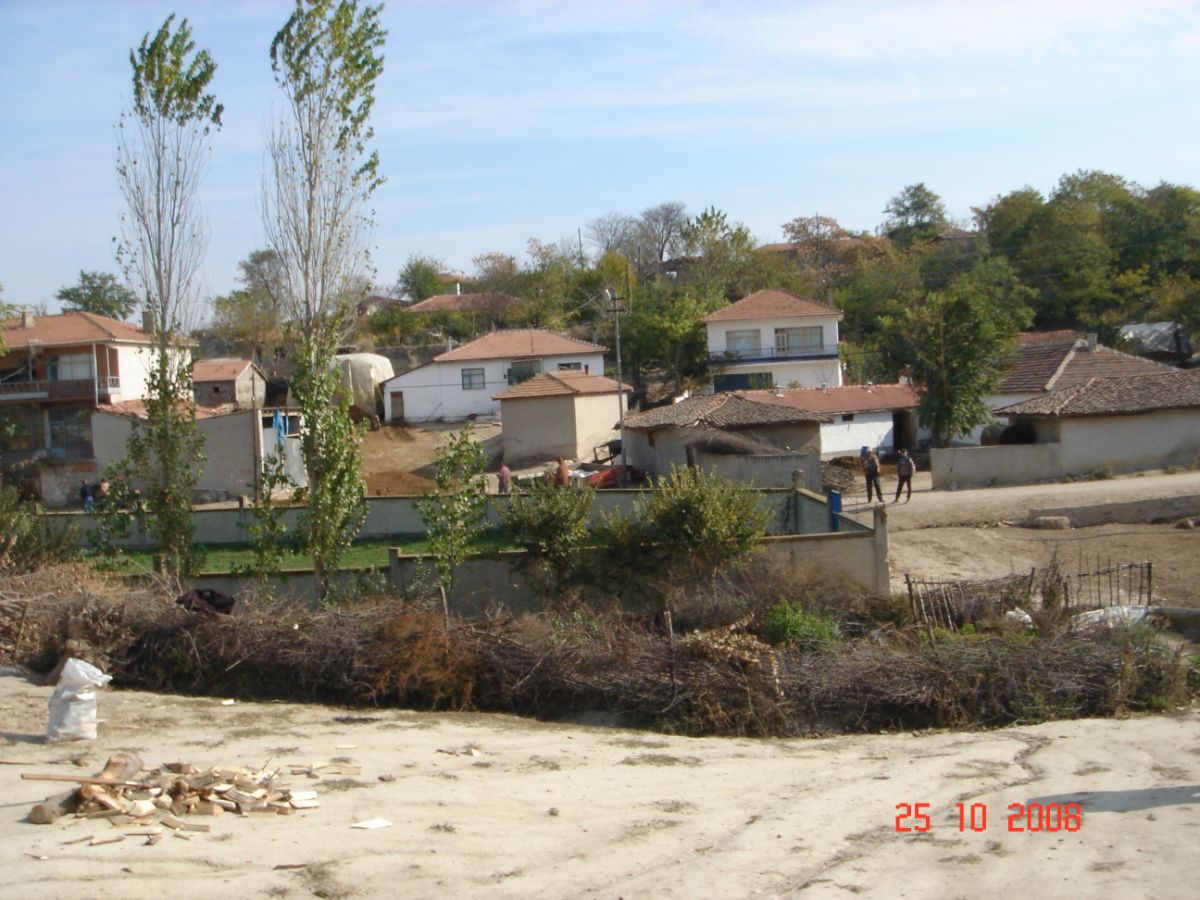
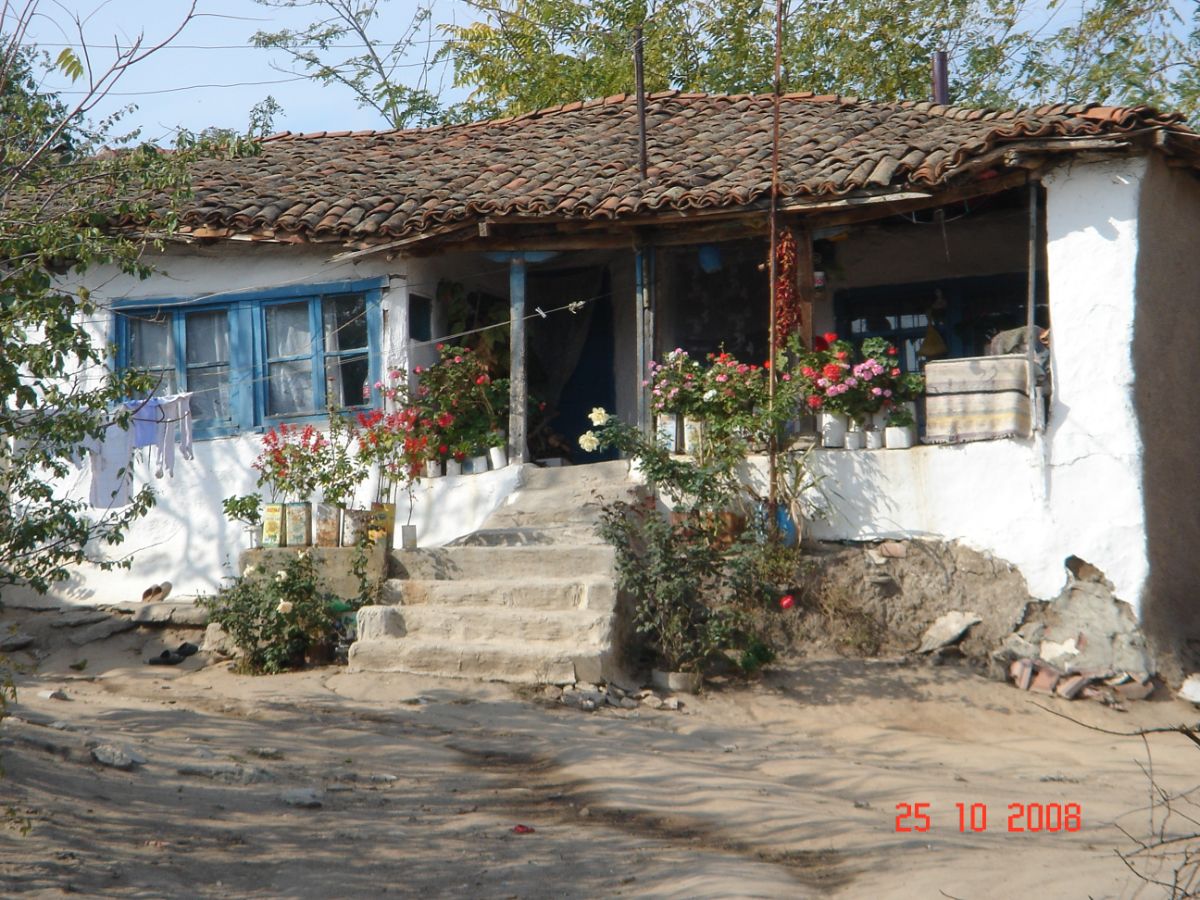
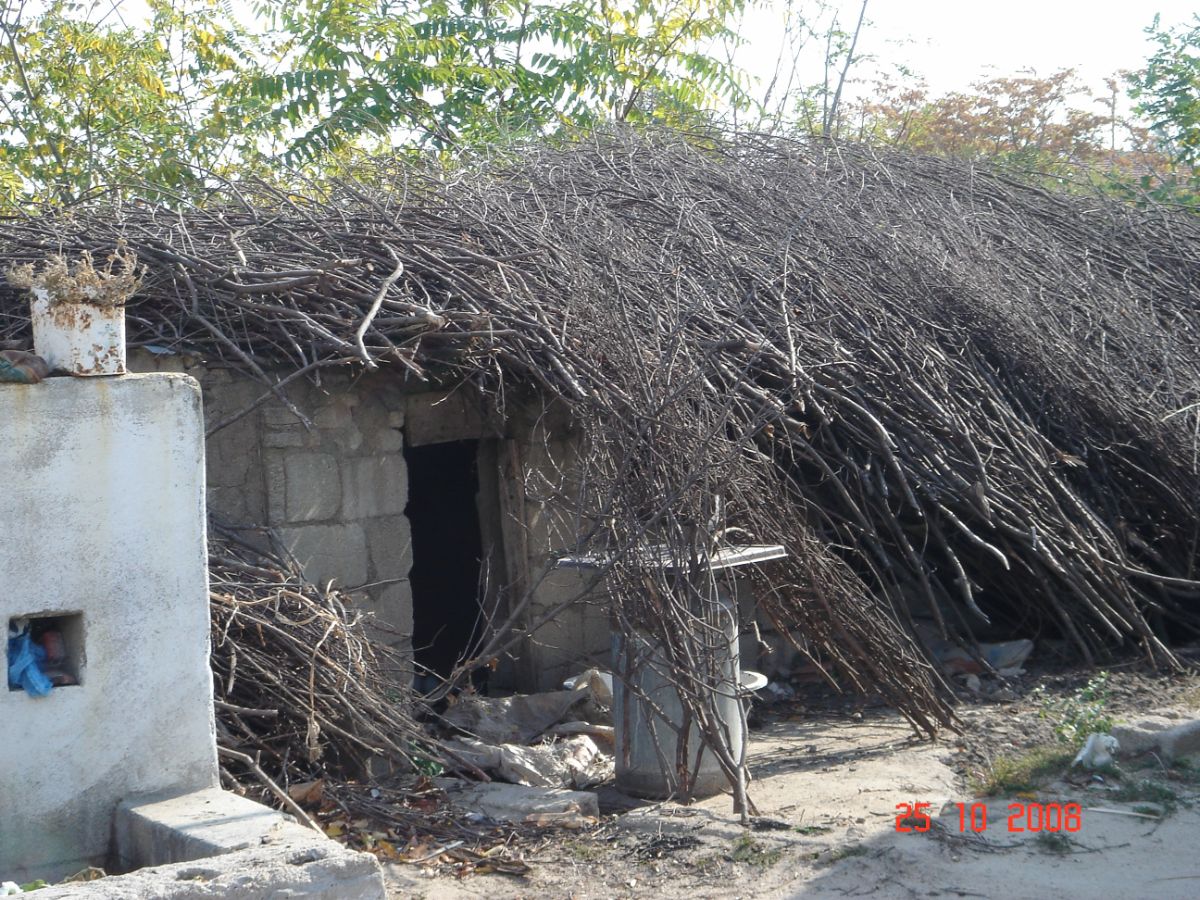
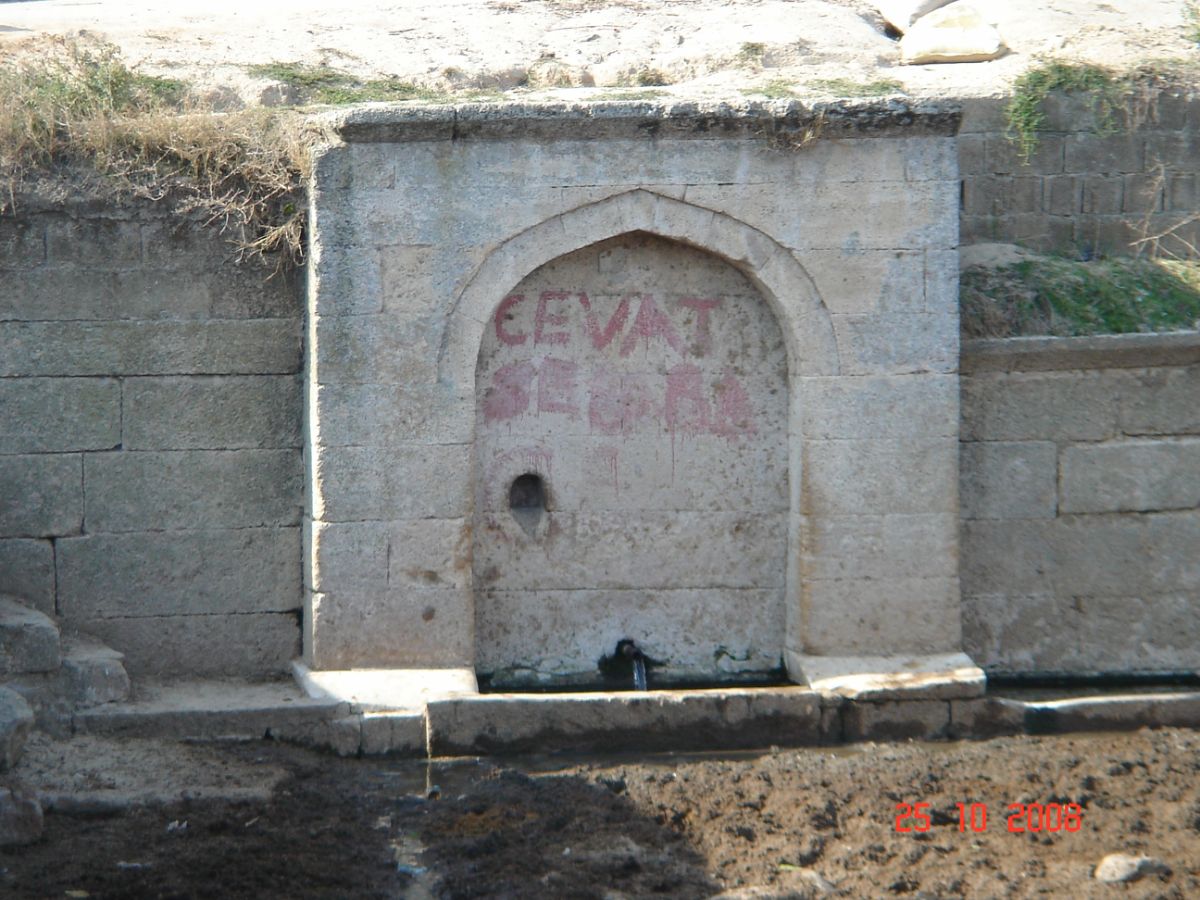
In September 1922, with the Treaty of Moudania, Eastern Thrace was given to Turkey. The river Evros was defined as the border between Greece and Turkey and the Greek citizens had to leave their homeland within 45 days, that was until October 20, 1922. A total of 260,000 Christians moved from Eastern Thrace to Greece. The emigration was theoretically coordinated, i.e. moving dates were set for each region, as well as they were allowed to take a part of their movable property. For the region of Hafsa, the date set was October 11. However, with the fear of atrocities from the Turkish gendarmerie, no one delayed their departure, and by 16 October Eastern Thrace had been evacuated. Saraplar belonged to the region of Hafsa. Saraplar was a place full of vines. Hence the name of the village. Sharap means wine. It is the place of origin of the Gagavouz residents of Inoi. The choice of the Greek committee for the renaming and Hellenization of Thracian toponyms could not be other than Krasochori. So Saraplar was renamed Krasochori.
The refugee residents from Krasochori settled in Inoi-Ine oglu, a Muslim village in the plain of Orestiada, near the river Evros. The choice had to do with the distance from their place of origin. They believed that the move was temporary and wanted to be close to their place, so that they could return immediately. Furthermore, they were people who have always lived near water.
Moving to Greece was not easy. An anonymous response to the Patris newspaper on October 6 states "Under the rain and cold ,under normal deprivations, awake and hungry are almost on their way to the national calvary. Screams and screams and howls." As Ernest Hemingway, who was present at the exchange of populations in Thrace, writes on October 7: "The main body of the procession, which crosses the river Maritsa (Evros) in Adrianople, reaches thirty miles. Thirty miles of carts drawn by cows, bullocks and muddy buffaloes, while beside them exhausted and dazed men, women and children walk blindly in the rain, next to their belongings.'
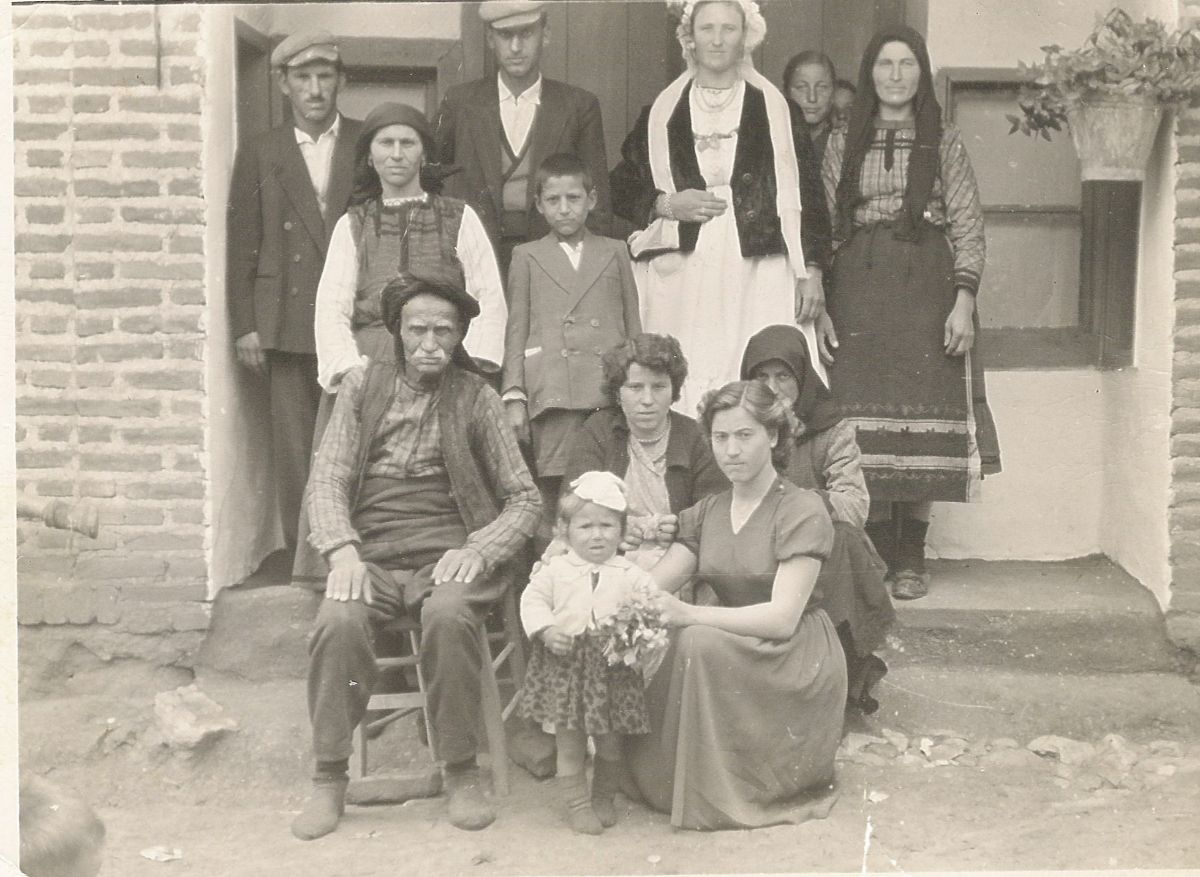
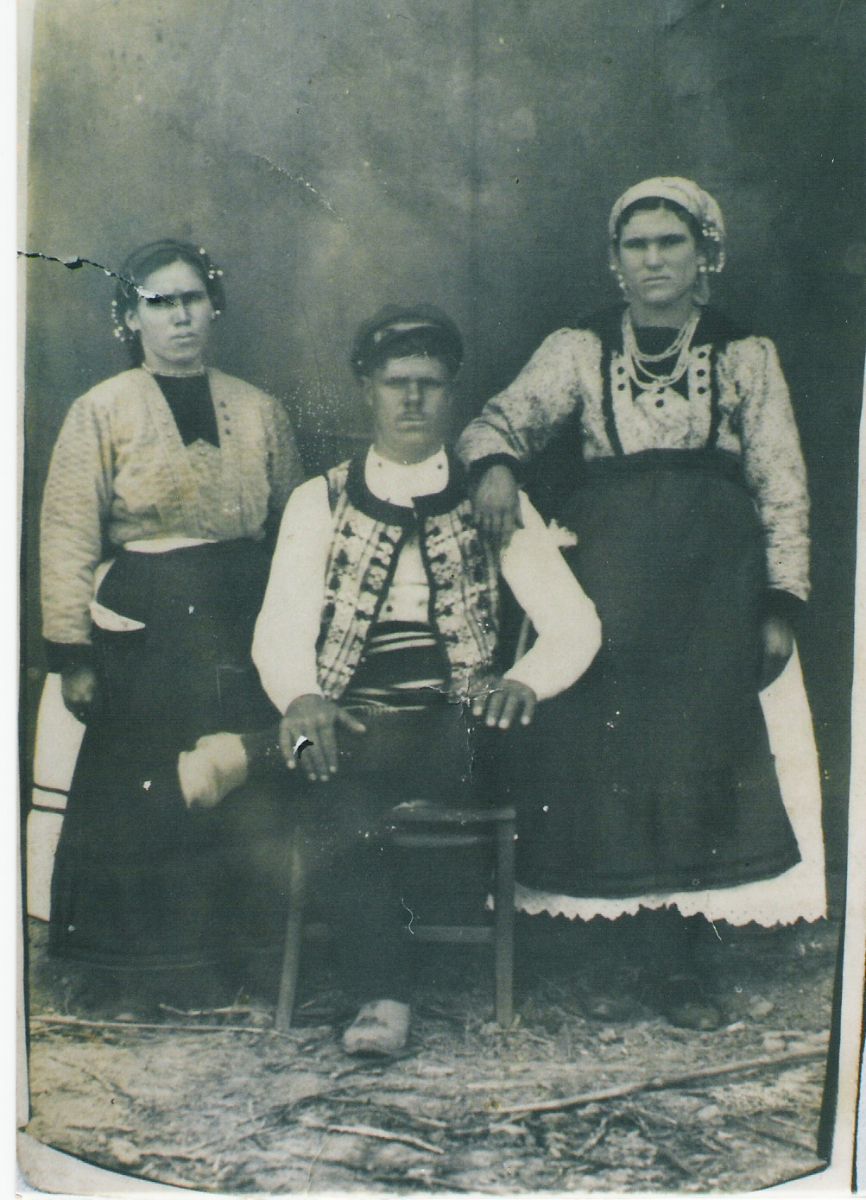
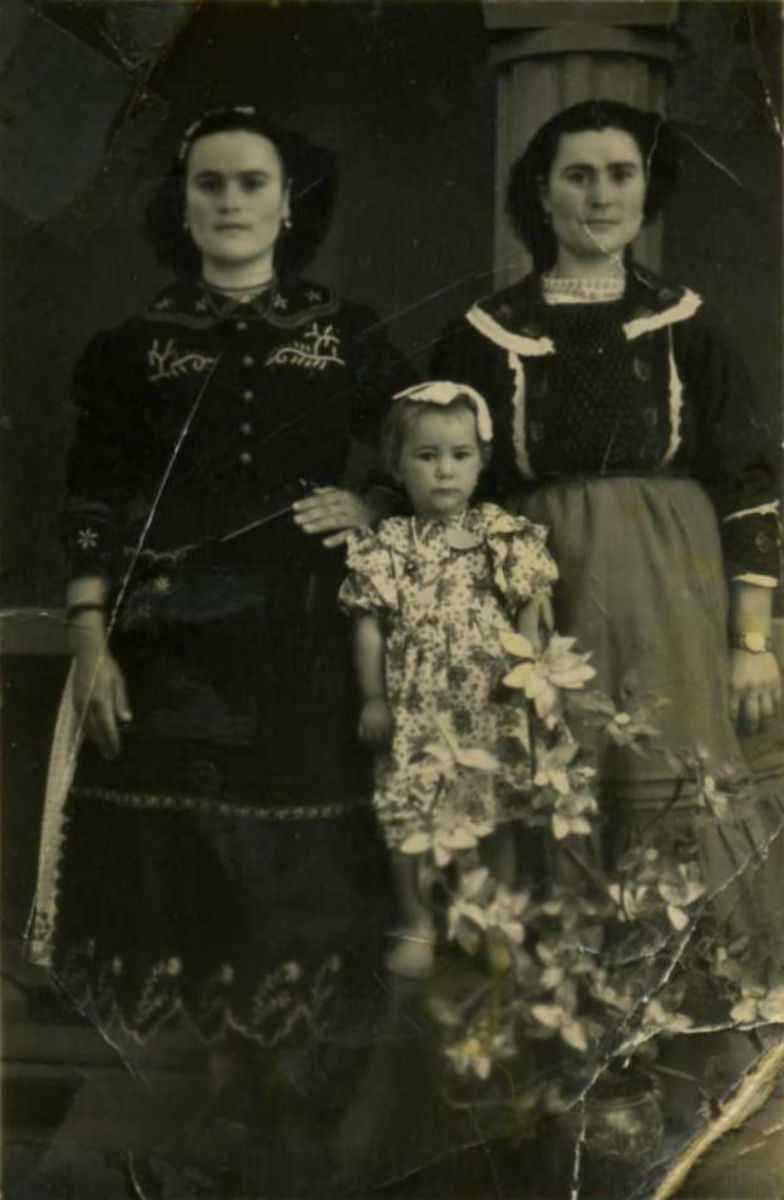
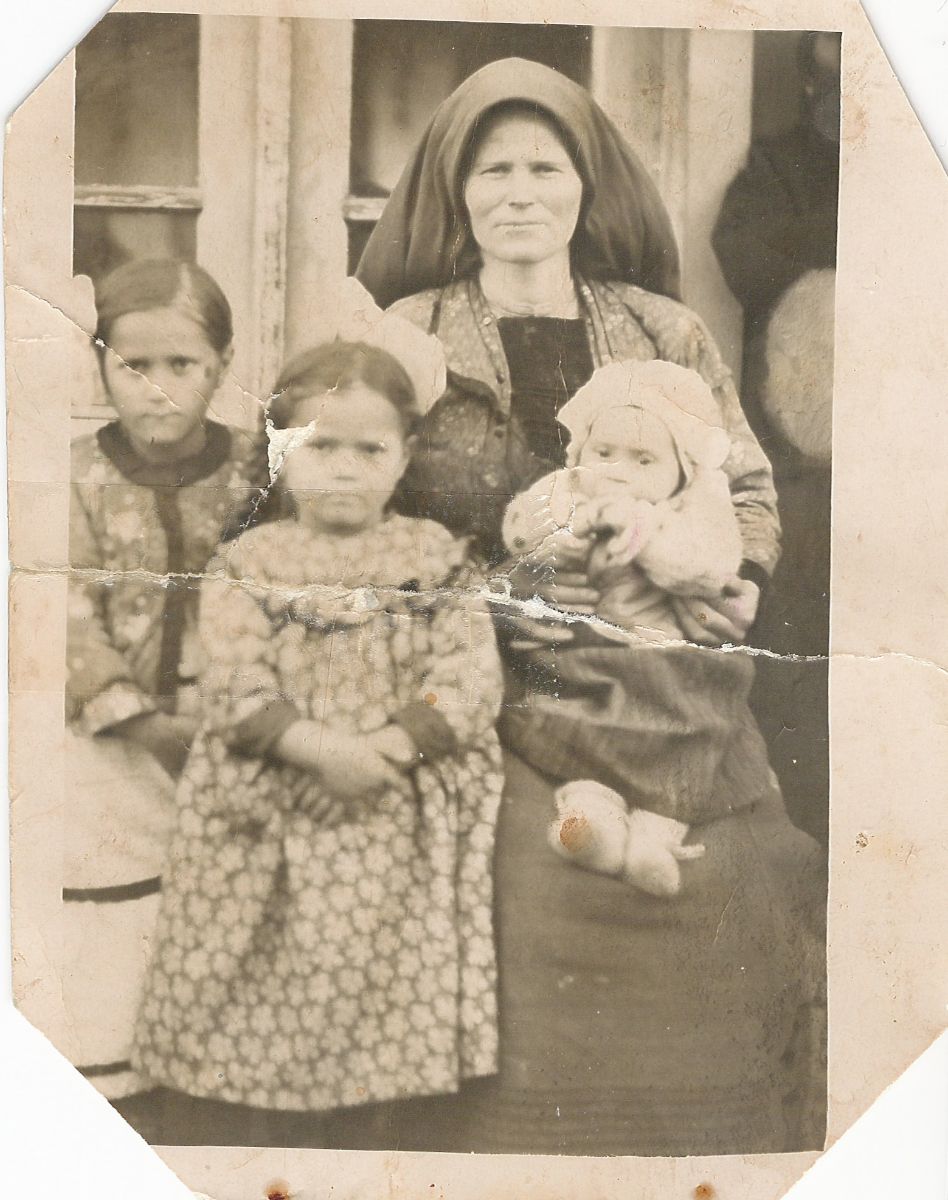
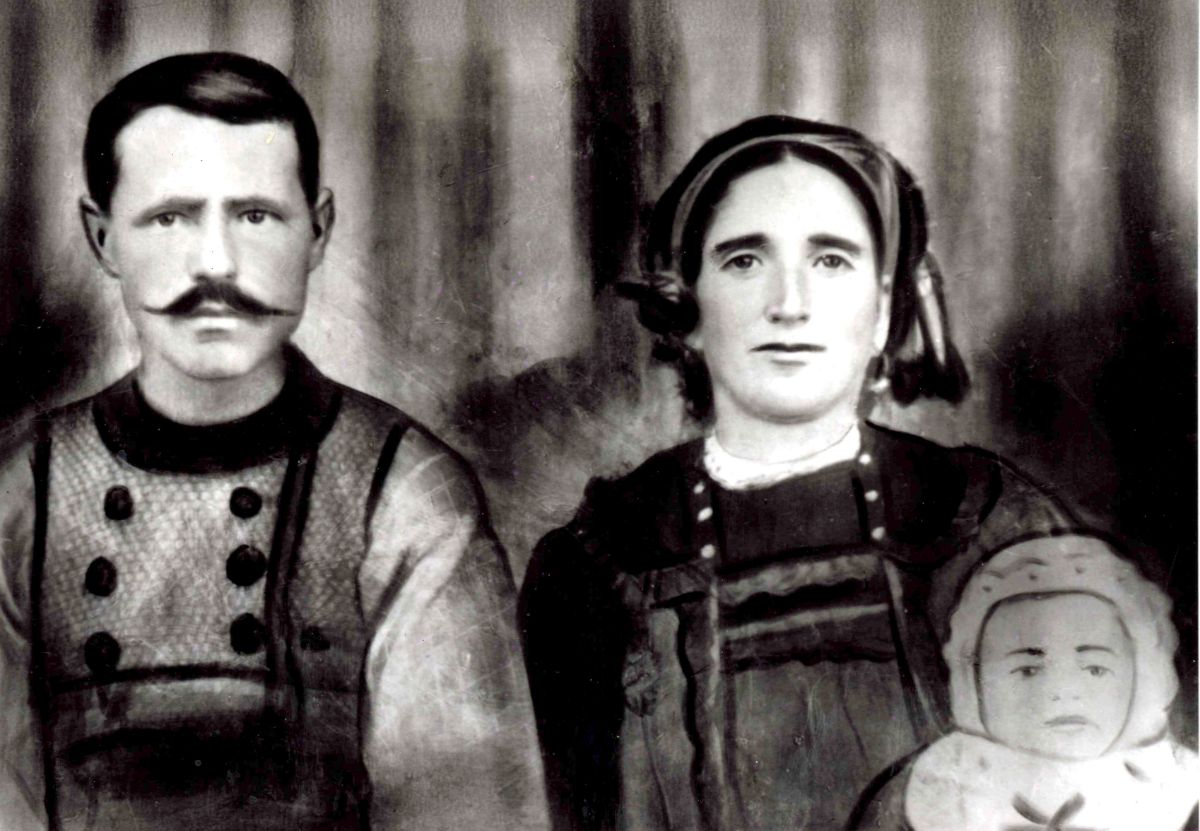
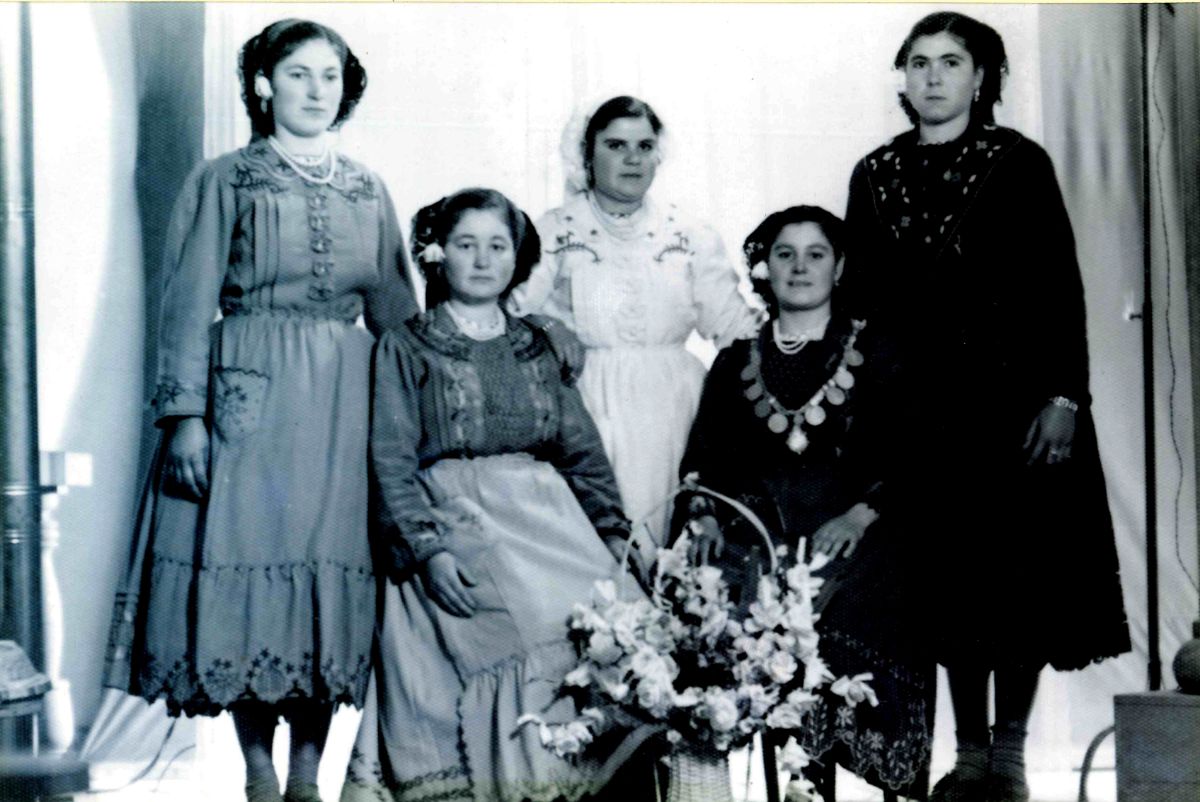
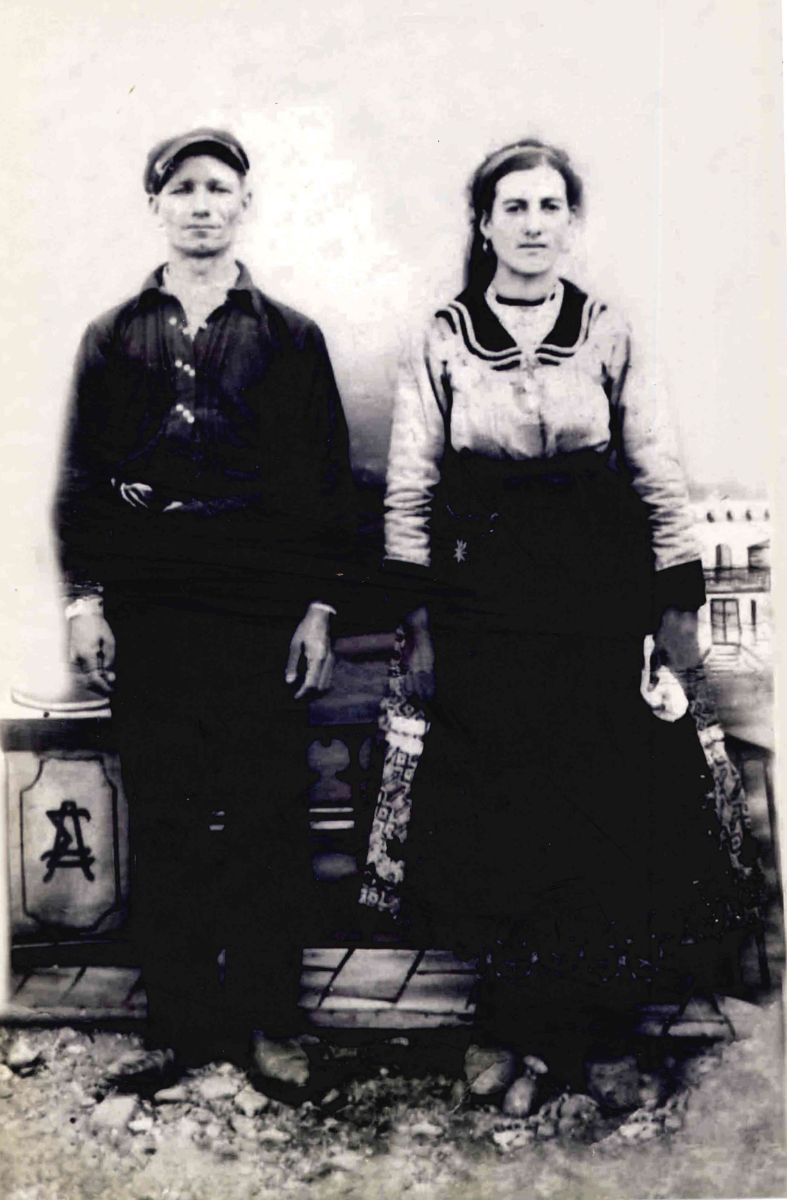
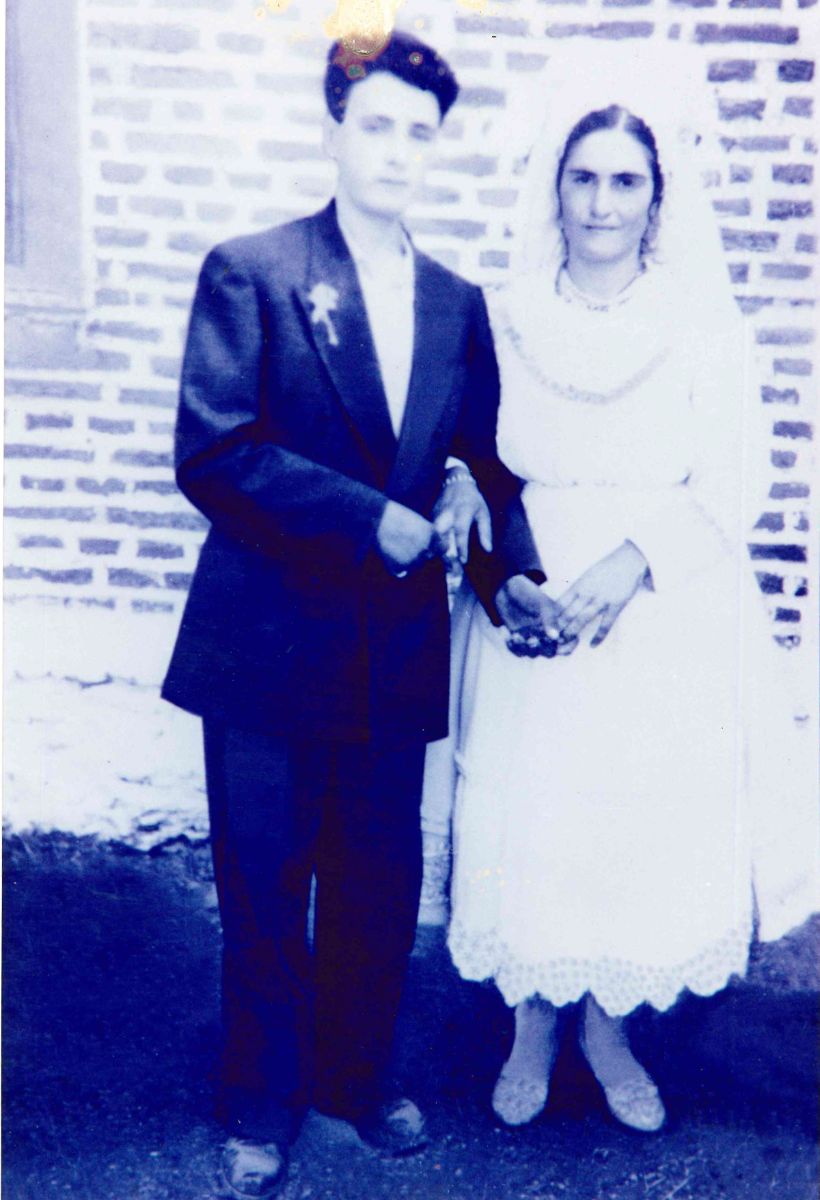
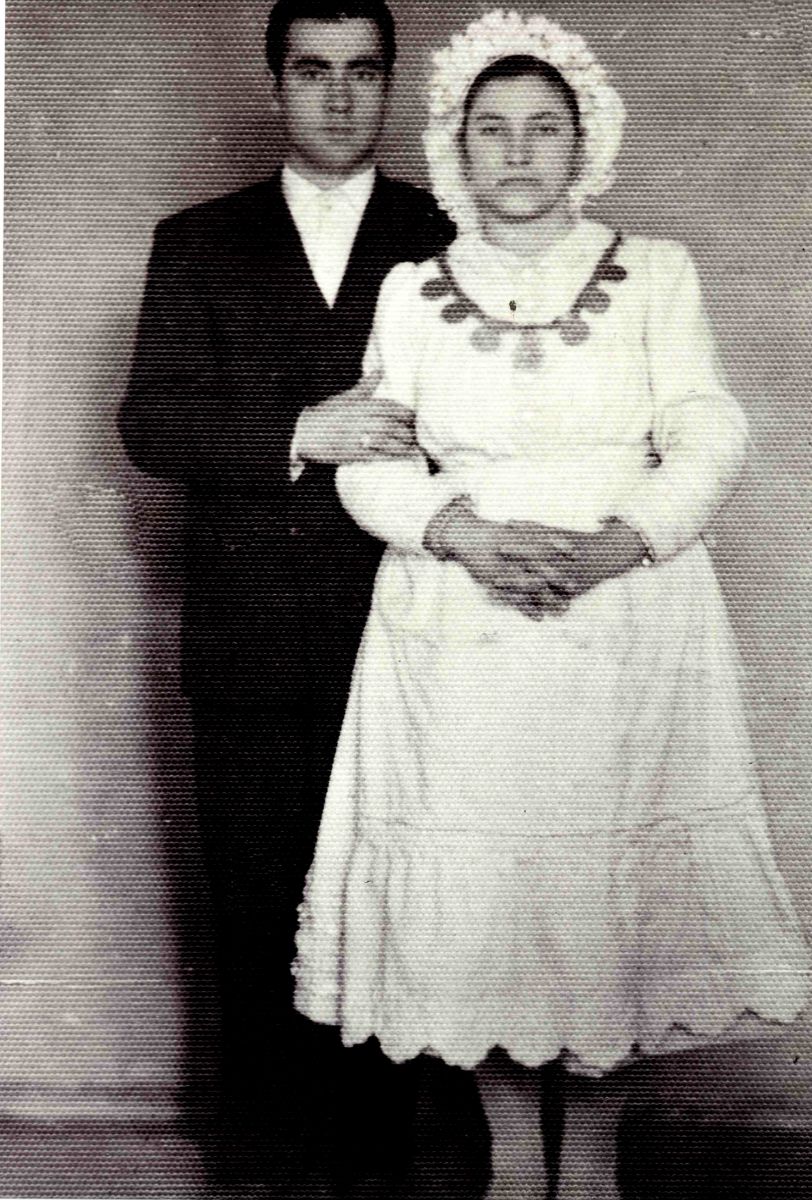
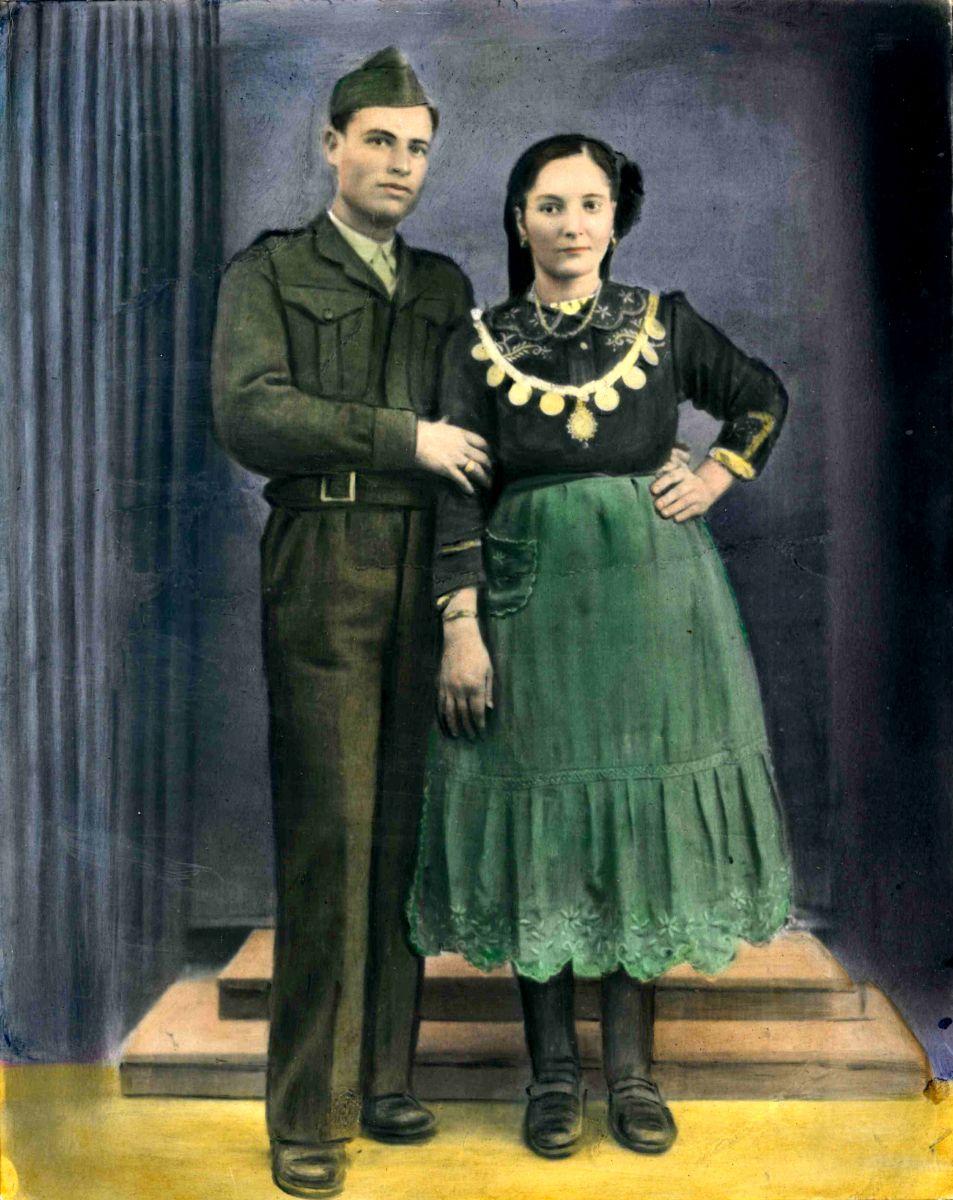
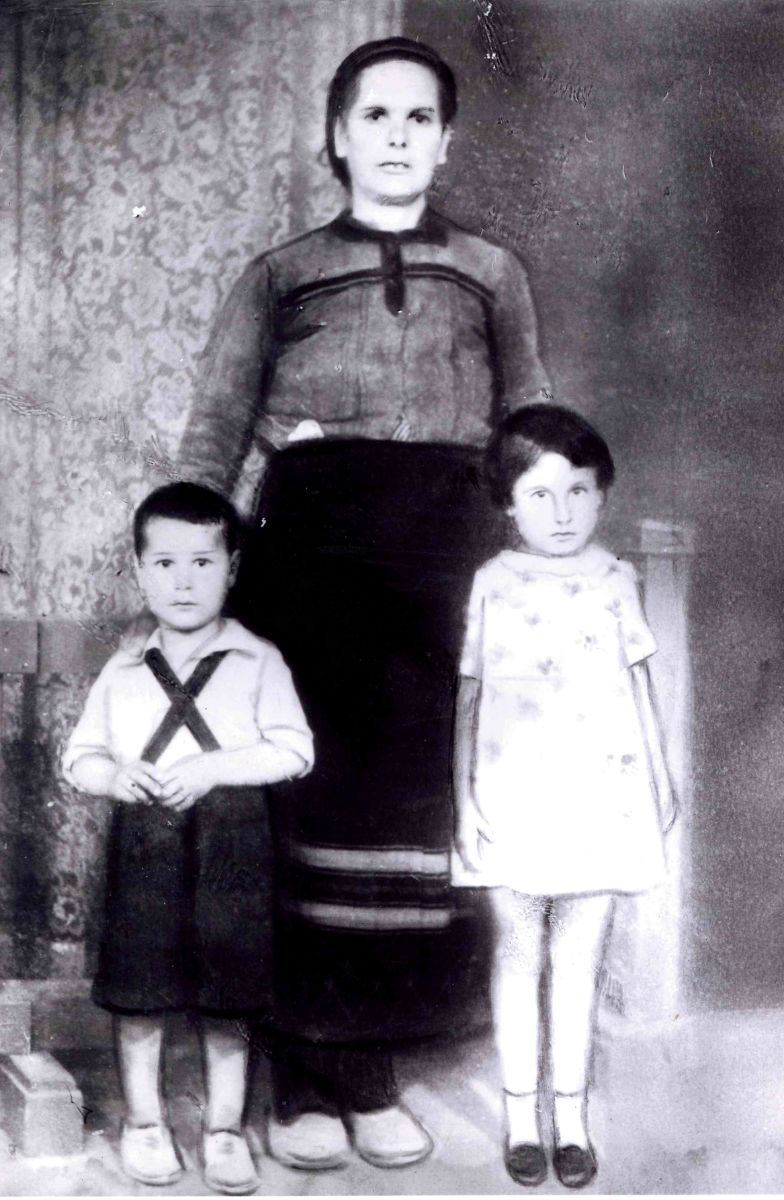
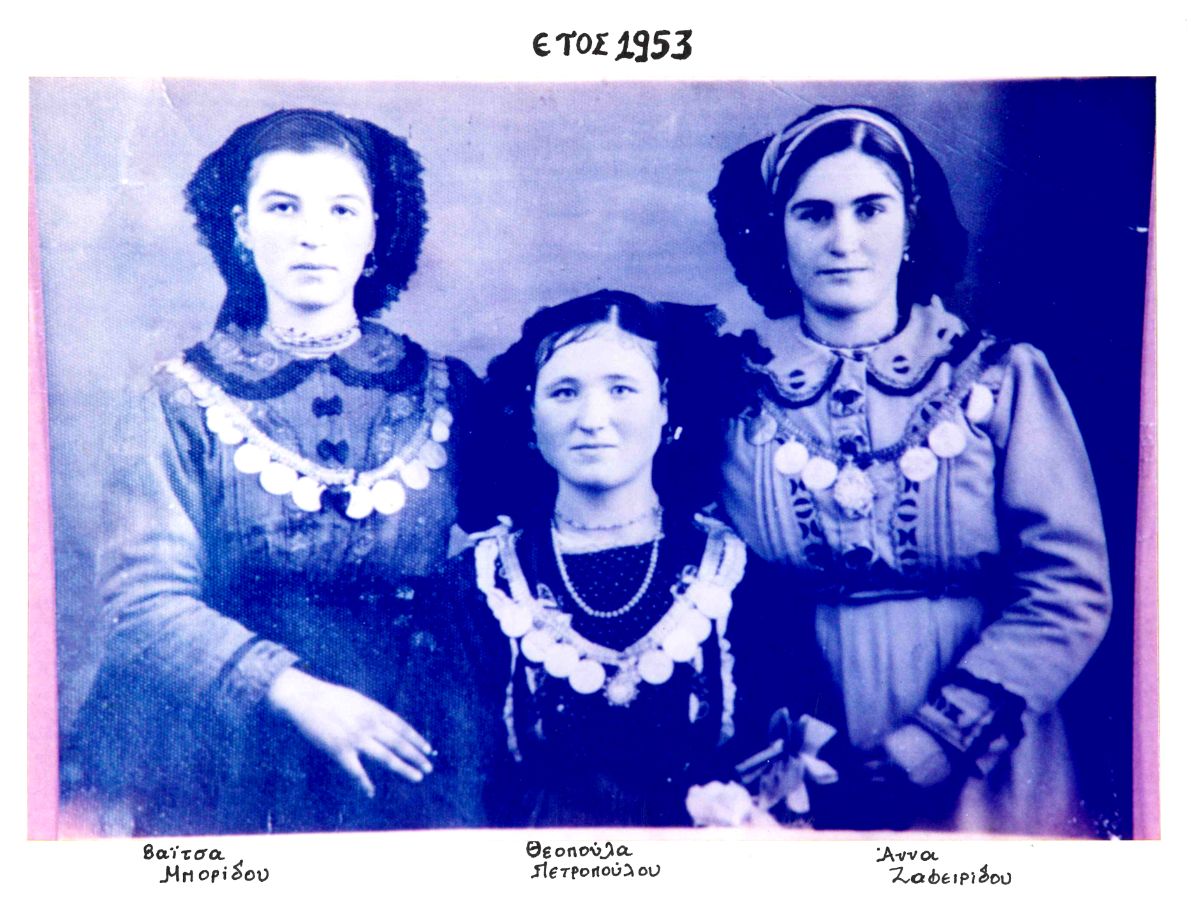
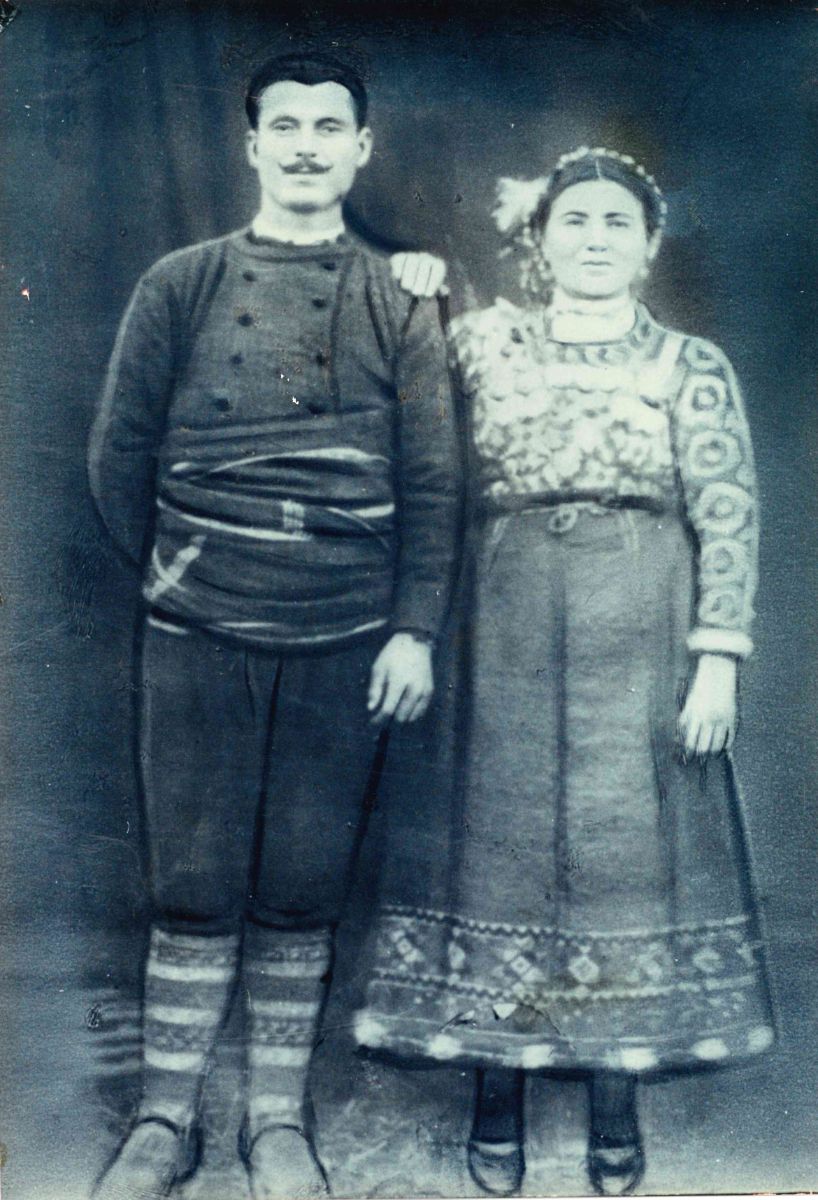
Krasochori is the place of origin of today's Gagavouz residents of the two communities, Ano and Kato Inoi. Their ancestors leaving their place, beside their few possessions, took with them the icon of Agios Athanasios, the church bell and two vine roots. Arriving in Inoi, they tried to rebuild their lives. As they were building their houses, they were building the Church of Agios Athanasios, their patron saint as well where the icon of the Saint and the bell of their village were placed. Today the bell is in the chapel of Agios Fanourios which is the school for their children.
Imagine their life in the early years! Homeless, hungry, stressed about their future, about their survival and having to deal with the stereotypes that had been created for the "Turkish" refugees. Stereotypes stronger for the Gagauz because of their special Gagauz language. This bad situation made it difficult to accept the new reality and strengthened the nostalgia for their homelands.
However, industrious people also interfered in their new place. The land given to them was uncultivated. In a report of the time it is stated that only 19% of the fields and farms were cultivated. They worked, tilled the land with their hands and few agricultural tools they had brought with them and turned it into what we see today, a vast arable land, the plain of Orestiada.
They turned the two vine roots into vineyards. Their location was in today's Kato Inoi and for this reason the settlement is also known as Ampelia.
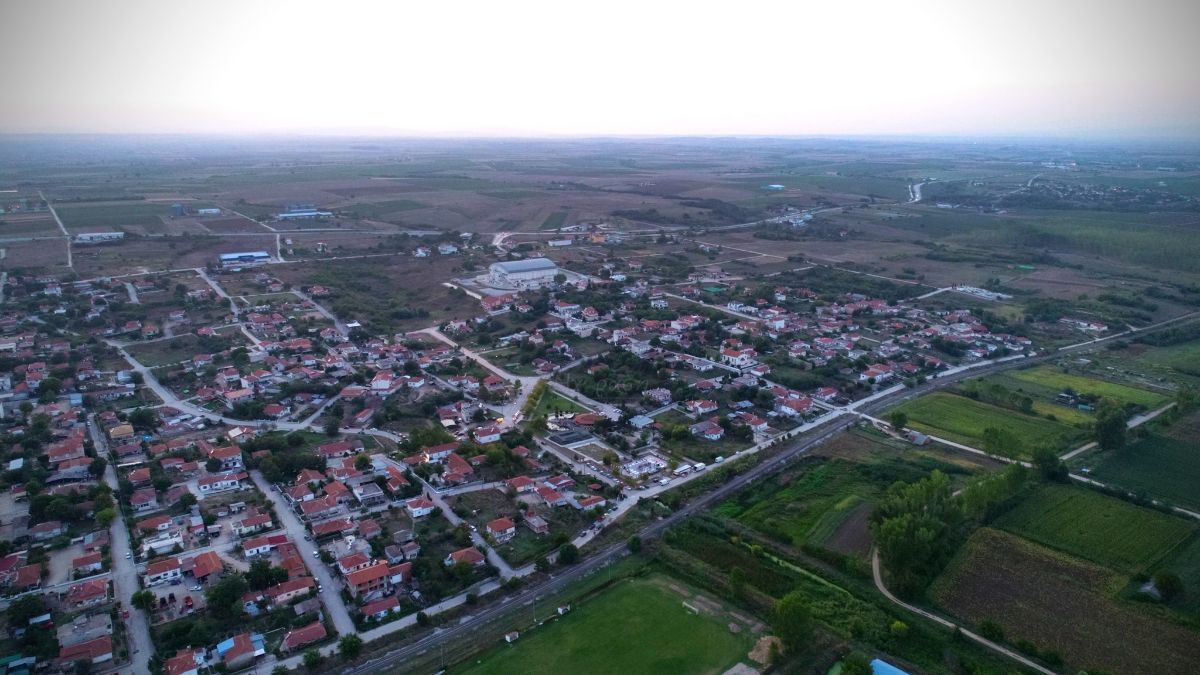
But fate reserved another uprooting for them. From the first days, they faced flooding phenomena, due to the lack of embankments in the river Evros. Floods forced a large part of the population to climb higher and create the settlement of Ano Inoi, to the north of the city of Orestiada, with Saint Dimitrios as its patron saint. Later, the remaining residents of Inoi were also forced to climb higher and created a new settlement next to and further north of Ano Inoi, Kato Inoi with Saint Athanasios as patron. Hence the division of a community into two communities, two parishes and the creation of two cultural associationsbut with a common story.
It should be noted that the movement of the inhabitants of Inoi and the creation of two dynamic communities, next to and north of the city of Orestiada, which was then a community, gave it the potential of economic development and population growth, which a few years later, in 1946, was recognized as a Municipality.
Staikoglou Meni
Master's degree in Public History
 EN
EN  EL
EL